
Statement by President Ferdinand R. Marcos Jr.
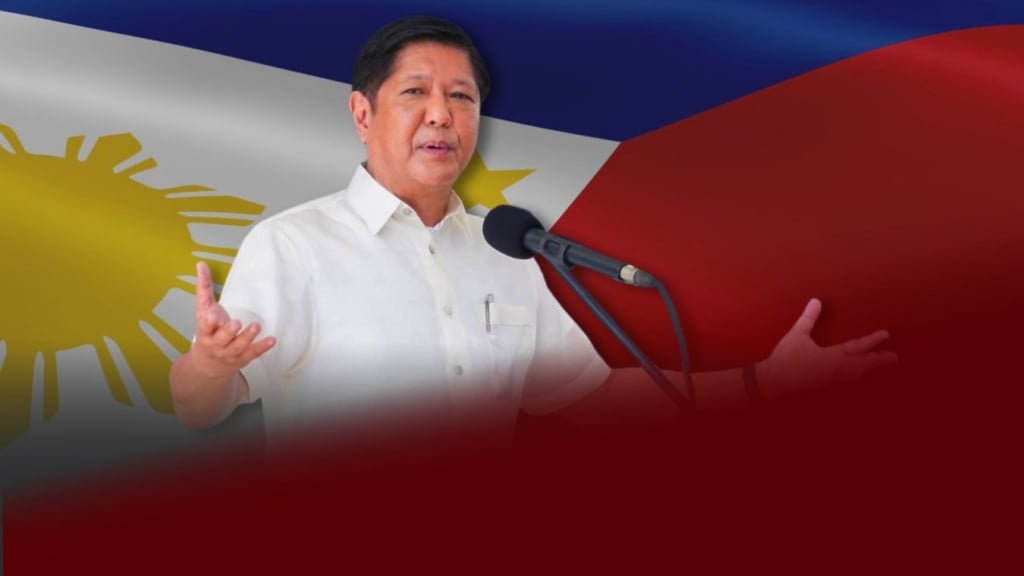
Can you tell – can you tell everyone na [laughter] kalokohan na ‘yan.
Ayan o, this is a…Hindi ito, hindi ito sa tape. It is the – I am carrying my statement for this afternoon, which is what I’m going to make.
It is April [13], we’re going to talk about the exercise tax.
So, this is been done today. And I challenge anyone who are saying that I am sick, that they come and exercise with me. We will see who is stronger.
You come to the gym with me. Tingnan natin kung sino mas malakas magbuhat ng weight.
[laughter]
Pero alam mo, gusto ko ngang sabihin, ang mga kababayan naman natin, ngayon, it’s a – tiniyak ko na makita ninyo na hindi totoo ‘yung mga sinasabi nila, na kasinungalingan ‘yan.
Kaya mula ngayon, ‘yung mga taong ‘yan na nagsabi sa inyo na may sakit ako, na baldado na ako, ha? Alamin ninyo – ngayon alam ninyo, puro sinungaling ‘yang mga ‘yan.
Kaya’t lahat ng sasabihin ng mga ‘yan, kasinungalingan. Kaya’t huwag niyo nang paniwalaan kung sino man ‘yung mga ‘yun. Now you know who the liars are and who is telling the truth.
And once again, I think it’s very easy and very clear that I’m in very, very good health.
I just had… my – everything – my numbers are… I just had my regular blood test kasi nagpapaano ako ng vitamins and everything. And I’m fine. I’m really quite fine.
Last time that I went to the hospital was to have my CAT scan to show na ‘yung diverticulitis ko gumaling na.
So that was what? Two and a half, three months ago, mga ganun. Mga ganun. So that’s the – all these reports as we are going to the hospital.
I haven’t been to the hospital for three months and even then it was just to have a CAT scan because the CAT scan – to tell my doctors if the diverticulitis has completely been fixed. And it was and I’m done.
My diet is back to normal. My exercise is back to normal. I still exercise 3-4 times a week. I’m watching my food better than before. But, you know, so people –
Q: Maintenance medicine, sir?
THE PRESIDENT: Ha? I’m sorry?
Q: Maintenance medicine, sir.
THE PRESIDENT: Maintenance medicine for ano – I have two, one for gout which is Allopurinol. Nasa lahi namin mga Ilokano magka-gout eh and the other is for high blood pressure, for hypertension.
Those are the only two medicines that I take.
The others that I take are – no, nothing really. When I have allergies, I take an antihistamine. Pero wala naman ngayon.
Aside from that, that’s it. That’s it. I’m not a great believer in supplements. If you eat well and you exercise regularly and you get regular sleep, ‘yun lang medyo kulang ako, tulog. But otherwise, everything is normal. And I’m happy to say that I’m healthy.
Do you want me to do more jumping jacks?
[laughter]
[inaudible] dozen. I can do dozen. [inaudible]
Alright. Anyway, down to the serious businness.
I’d like to cover some points that we are – that we have been discussing again, together with the different agencies and including the UPLIFT Committee and we have [inaudible] some further announcements. Well, first of all, it is a…We are able to say that these are the steps that we have been taking so that we are trying to alleviate and trying to mitigate the effects of the oil crisis. [inaudible] Umaasa sana kami na maganda na ‘yung maging – maganda na ‘yung maging peace talks between the US and Iran. Ngunit mukhang hindi sila nakabuo ng deal, kaya’t kailangan patuloy pa rin ang ating mga ginagawa para tulungan ang ating mga kababayan.
Unang-una, nais kong i – na banggitin na huwag pong mag-alala ang ating mga kababayan dahil sapat naman ang supply natin sa mga pangunahing pagkain. Mga bigas, mais, gulay, asukal, isda, karne, manok, itlog at lahat ng ibang produktong pagkain.
At nakikipag-ugnayan tayo sa industriya, patuloy din ang ating pagkikipag-usap sa kanila at sa hanggang sa katapusan ng Abril ay hindi magbabago ang presyo ng mga pangunahing bilihin.
Kabilang na diyan mga sardinas, tinapay, instant noodle, bottled water, kape, gatas at dilatang karne.
Ikalawa, binawasan natin ang buwis sa produktong pretrolyo na direktang ginagamit sa pang-araw-araw na buhay.
Sa…Dahil April 14 na ngayon, when the – I’m sorry, April 14 tomorrow, where the authorization – the authority that we asked from Congress begins to apply, binawasan na natin ang buwis sa produktong petrolyo na direktang ginagamit na pang-araw-araw – sa pang-araw-araw na buhay ng ating mga kababayan.
So, sa ilalim ng kapangyarihan na ibinigay sa atin ng batas, tinangggal ko na ang excise tax sa LPG at sa kerosene.
Ang katumbas nito ay tatlumpung piso – how much is this? PhP3.36 ang bawas ng kada kilo ng LPG. Halos 37 pesos sa isang tangke ang mababawasan ng presyo.
At PhP65 – ay sorry PhP5.60 kada litro ng kerosene.
Ibig sabihin, mabababa ang gastos na – sa pagluluto at sa araw-araw na pangangailangan ng ating – ng bawat pamilya.
Pangatlo, inaayos na natin ang sistema sa pagpasok ng pagkain sa bansa para mapababa ang presyo, mapabilis, at sa pag ganoong paraan, mapababa ang presyo.
Inutusan ko na ang Department of Agriculture at saka ‘yung Tariff Commission, pababain ang taripa sa mga inaangkat na pagkain upang makatulong sa pagbaba ng presyo para sa ating mga namimili.
Pero malinaw ang directive na ito. Hindi ito puwedeng gawing basta-basta.
Bawat hakbang, malinaw ang proteksyon sa ating lokal na produksyon.
Poprotektahan natin ang mga consumer, ang mga magsasaka, at ng industriya. ‘Yan ang ating hinahanap na balanse. Dahil kung – everything…As you know, the economy is a complicated system. Kaya’t kung may gagawin ka sa isang bahagi, may epekto ‘yun sa kabilang bahagi.
Kasabay nito, pabibilisin na rin ang pagpoproseso ng mga permit tulad ng SPSIC, Certificate of Necessity to import para mas mabilis makapasok ang kinakailangang pagkain at mas mababa ang magiging halaga.
Inalis na rin ang toll fee sa mga fish port upang hindi na ito makadagdag sa presyo nung mga – nung ating mga pagkain.
Nakikita natin na may mga magsasaka na napipilitang itapon ang kanilang ani dahil sa overproduction sa sobrang baba ng presyo ng bili. Hindi natin ito pababayaang magpatuloy. Kaya bibilhin na muna ng Department of Agriculture ang sobrang produksyon.
Makikipagtulungan din tayo sa mga local government para bilhin din ang mga gamit na ito at magamit din nila para ipamigay nila sa tao.
Ang pamahalaan ang sasalo nito para hindi masayang ang ani, hindi malugi ang ating mga magsasaka at mapapakinabangan naman ng ating mga namimili.
At para sa mas maraming makinabang, papalawakin pa natin ang Benteng Bigas program.
Dadamihan ang tindahan, habaan ang oras ng pagbenta, lalo na para sa ating mga senior citizen, para sa ating PWD at siyempre mga single parent.
Pang-apat, ibababa din natin ang gastos sa pagda – ng pagdaan ng pagkain mula sa pantalan hanggang sa merkado.
Sa Cebu Ports Authority, sa Subic Bay, binawasan o sinuspinde ang iba’t ibang binabayad na mga fees at para ito ay maramdaman ng tao at tumataa – kahit tumataas ang ibang produkto, eh hindi natin na masyadong – hindi masyadong mabilis ang pagtaas o at least matigil natin ang pagtaas.
So, mababawasan ang gastos sa mula sa anchorage, sa berthing fee, cargo handling, storage fees para hindi na ito madagdag sa presyo ng pagkain.
Ang Philippine Ports Authority ay ibinaba sa piso ang Roro Terminal Fee para sa mga sasakyang nagdadala ng agricultural products dahil layunin natin na panatilihing sapat ang supply, tigilan ang pagtaas ng presyo, at tiyaking tuloy-tuloy ang hanapbuhay ng ating mga kababayan.
Hindi tayo titigil hanggang maramdaman ninyo ang tunay na ginhawa sa inyong pang-araw-araw na buhay.
Maraming-maraming salamat sa inyong pagtitiwala.
At bukas, we will have another UPLIFT meeting. Again, to discuss what are the other strategies that we can employ to keep prices down, to make sure, first of all – what we will do tomorrow is to make sure, first of all, that the supply, both of oil and the food products and all the other raw materials that we need to continue – the running of the economy is going to be normalized.
We… As I said in the one of the last press conferences I had, that the – it is very important that we watch the prices now. Oil, we cannot do very much about. But we also have to – so we can make sure what we can look at and do. That’s why ito, it’s centered doon sa presyo ng pagkain.
All of these measures are mostly centered around the price of food to keep the price of food down.
The supply of food as well is also something that we think we can assure the public of that the maganda naman ang takbo so far ng ating sa agrikultura.
‘Yun lang, ‘yun na nga ‘yung mga nakita nating report na ‘yung mga inani na produkto na hindi na – basta’t iniiwan na lang masira dahil masyadong hindi – hindi – masyadong mababa na ang profit. Halimbawa, halos walang kikitain.
Kaya since walang kikitain dahil tumaas ang presyo ng lahat at ganoon pa rin ang presyo ng pagbenta, eh iiwasan natin ‘yun kaya’t naman para ‘yung mga farmer natin, ‘yung mga producers natin ay mayroon din silang kikitain.
[Inaudible] kailangan para tuloy-tuloy ang kanilang pag-ani, tuloy-tuloy ang kanilang pagtanim-tanim dahil ‘yun na nga ‘yung ina-assure natin ‘yung supply ng pagkain. Supply at saka presyo.
It is the balance that we are trying to achieve because simple – simple lang naman ito. Kapag… It’s the same as kagaya nung nakita ninyo sa langis, kung masyadong babain ang presyo ng langis, ay sasabihin ng mga importer, “Hindi na kami kikita, hindi na kami mag-i-import.” Masisira naman ‘yung supply natin. Okay?
It’s the same thing. ‘Yung mga – ‘yung mga farmers, sinasabi nila masyadong mataas na ang binabayad namin doon sa transportation cost, sa lahat ng mga iba’t ibang cost at mababa pa rin ang presyo ng pagkain, ng kanilang ani. So, hindi na sila kikita kaya hindi na binababa. Hindi na dumadating sa merkado ‘yung kanilang produkto. Kaya aayusin natin ‘yan.
We will continue to support the farmers but we will also keep the prices down.
The gap that we have to close will be closed by government. It will be government funds that we will have to use. We will have to take funds from other projects, other programs to make sure that that – that is something that we have attended to.
Alright, so that’s basically the announcement for today.
I know that people have been asking about what we are going to do about the excise tax. I hope I have provided the answer for you today. And that will be again a point of discussion for us tomorrow at the UPLIFT meeting. And that’s it for now. Thank you.
Q: Sir, how about the VAT po?
THE PRESIDENT: How about?
Q: on fuel products? Will it be discussed din sa UPLIFT meeting ‘yung sa VAT or [inaudible] to suspend the VAT?
THE PRESIDENT: I think it’s time to explain…You know, here’s the thing with the VAT. Especially the VAT on oil, on petroleum products.
The VAT on petroleum products, we are going to get a windfall profit from that because tumaas ‘yung presyo ng krudo.
And because of that, all the importations we will have at the present VAT rate, we will get a – we will get funds – extra funds from that.
Those… If we – if we take away the VAT on petroleum products, it will only help the petroleum market.
What we need is funding to help the entire society.
Hindi puwedeng – ‘yun lang – titingnan lang natin is the petroleum, petroleum, petroleum.
Kasi sinasabi ng mga tao, bakit puro transport workers lang ang tinutulungan niyo? Paano kami? Bakit the other…? We also have to take care of the other sectors.
So, with the additional funding that we will get from the VAT collections, ‘yun ang gagamitin ngayon natin to provide. That fund will not exist if we remove the VAT on petroleum products alone.
So, that is – that’s the reasoning behind.
We will still examine it. You know, like I keep telling you, hindi – there is nothing that we are not looking at as a possible option. We are looking at all the options.
If the time comes that it really calls for the – if the time will come that VAT should be brought down for whatever products, then we will certainly study it very well.
Right now, the balance, the cost-benefit analysis between the VAT collections and the benefit to people, to ordinary people, still favors that we collect VAT and we use the extra funds to provide the subsidies, to provide cash benefits, to provide all of those subsidies that we have been able now to provide, that we have to provide now to people to normalize people’s lives.
Q: Sir, bakit po hindi nakasama ‘yung diesel and ‘yung gasolina doon sa oil [inaudible] —
THE PRESIDENT: That’s to be discussed tomorrow.
Q: Thank you,sir.
THE PRESIDENT: Alright, thank you.
— END —