


Ferdinand R. Marcos Jr., known to many as Bongbong or BBM, was born on September 13, 1957 in Batac, Ilocos Norte. He is the only son and namesake of the late President Ferdinand E. Marcos Sr. and former First Lady Imelda Romualdez Marcos, and grew up with three sisters—Imee, Irene, and Aimee.
Early Life

His father, Ferdinand E. Marcos, served as the 10th President of the Republic, a leader whose vision was to forge a nation that was strong, independent and proud. His mother, Imelda Romualdez Marcos, brought to public life a deep devotion to culture, heritage and the Filipino spirit.
Raised in a household where service to the nation was a daily calling, BBM grew up surrounded by ideals of patriotism, discipline and excellence. He witnessed the weight of leadership and the vision it took to transform a country.
These early experiences shaped his belief that public service is about building on the work of those who came before you, and dedicating yourself to the progress of the people. It was in this environment of greatness that BBM began a life shaped by duty, and guided by the quiet but powerful example of his parents. His childhood was not ordinary. It was a preparation for something far greater—a life of service rooted in vision, discipline, and an unshakable faith in the Filipino people.
Education
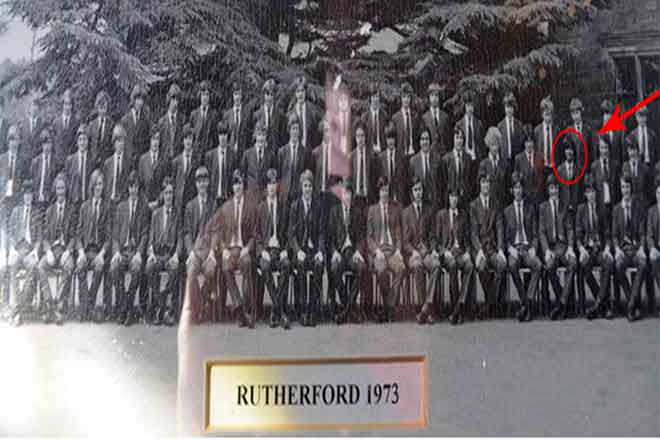
BBM began his education at La Salle Greenhills in 1964 before continuing his secondary studies at Worth School in West Sussex, England, graduating in 1974. He earned a Special Diploma in Social Studies from Oxford University in 1978 and pursued graduate studies in business at the Wharton School of the University of Pennsylvania.
While still completing his studies at Wharton, BBM was elected Vice Governor of Ilocos Norte in 1980 at just 23 years old. Called to serve, he returned home and began his career in public service—one that would eventually lead him to the highest office in the land.
BBM pursued his education both in the Philippines and abroad, which follows:

Graduate School Coursework
1979 – 1981
Wharton School of Business
University of Pennsylvania
Philadelphia, USA


Grade School
1963 – 1972
La Salle Green Hills
Mandaluyong City, Philippines
Preparatory Grade
1963 – 1964
La Salle Green Hills
Mandaluyong City, Philippines

Kindergarten
1962 – 1963
Institucion Teresiana De
Education y Cultura, Inc. (ITEC)
Quezon City, Philippines
School record
Family
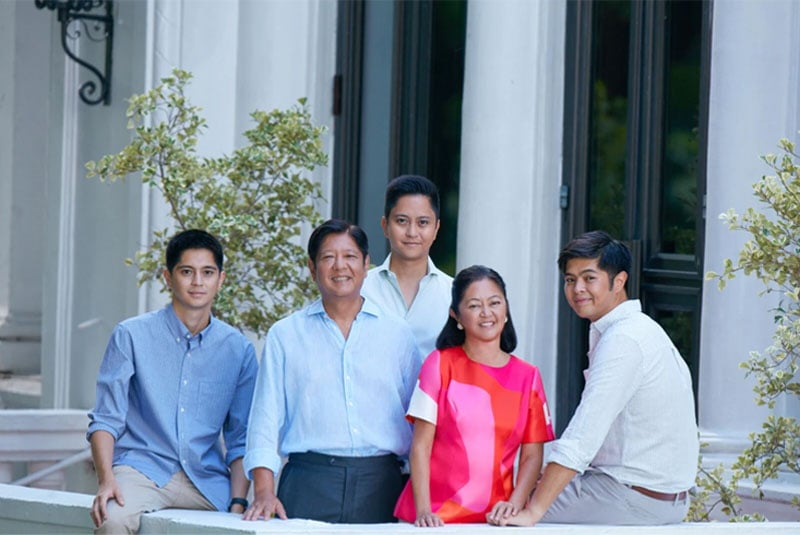
In 1993, BBM married Louise “Liza” Cacho Araneta, a lawyer and educator whose quiet strength has kept their family steady through the years. She has been his partner in the truest sense—supportive, honest, and always grounded.
Together, they raised their three sons—Sandro, Simon, and Vinny—in a home where they were taught to think independently, work hard, and stay close to their roots. Despite the weight of his responsibilities, BBM has always been a hands-on father. He was present for the small things, the big milestones, and everything in between.
No matter where public service has taken him, BBM has always carried home with him. Through the years, their life together has remained simple and close. For him, home has always been the quiet center of everything—where life makes the most sense.


Faith
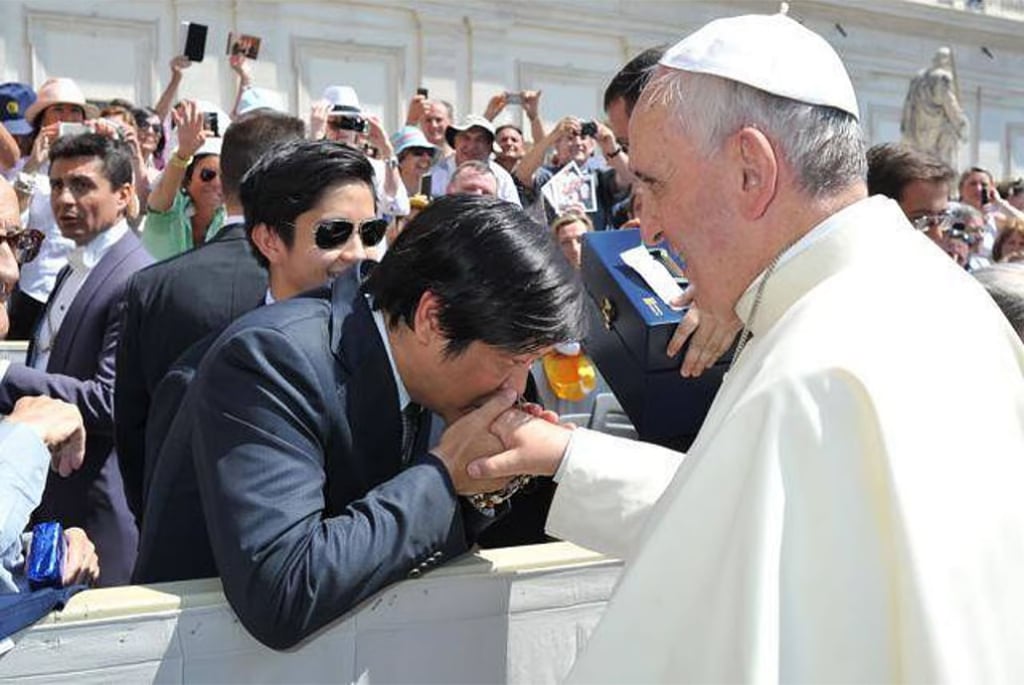
BBM is a devout Catholic, and his faith serves as a significant guiding force in his role as a public servant. Driven by a strong belief in the values of God and country, he advocates for an era of peace, fostering the conditions necessary for relentless growth and sustainable development for both the nation and his fellow Filipinos.
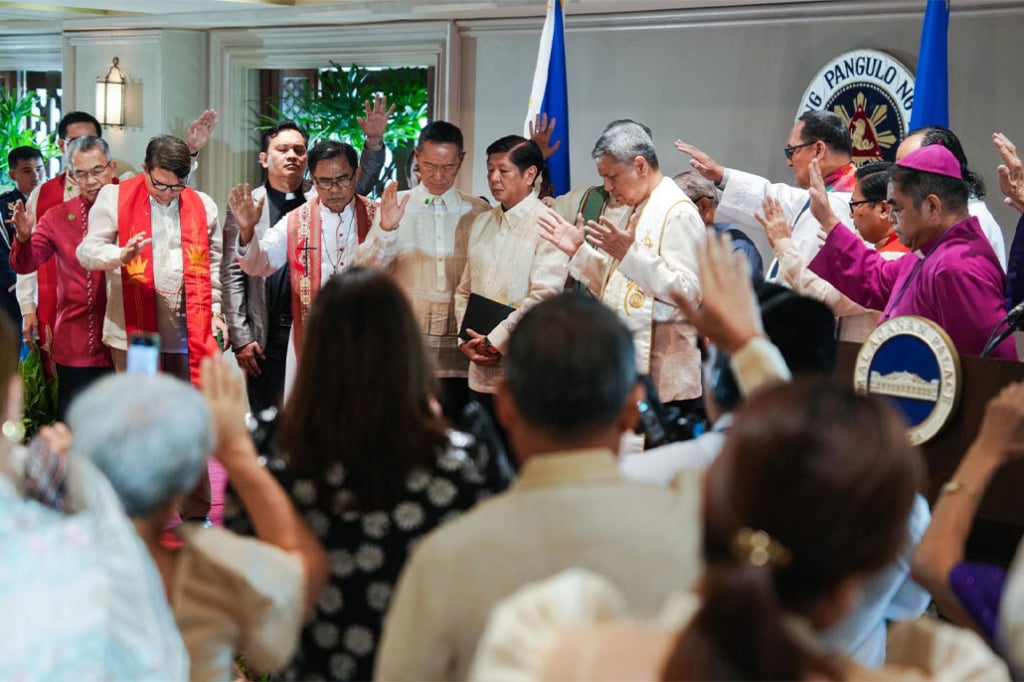
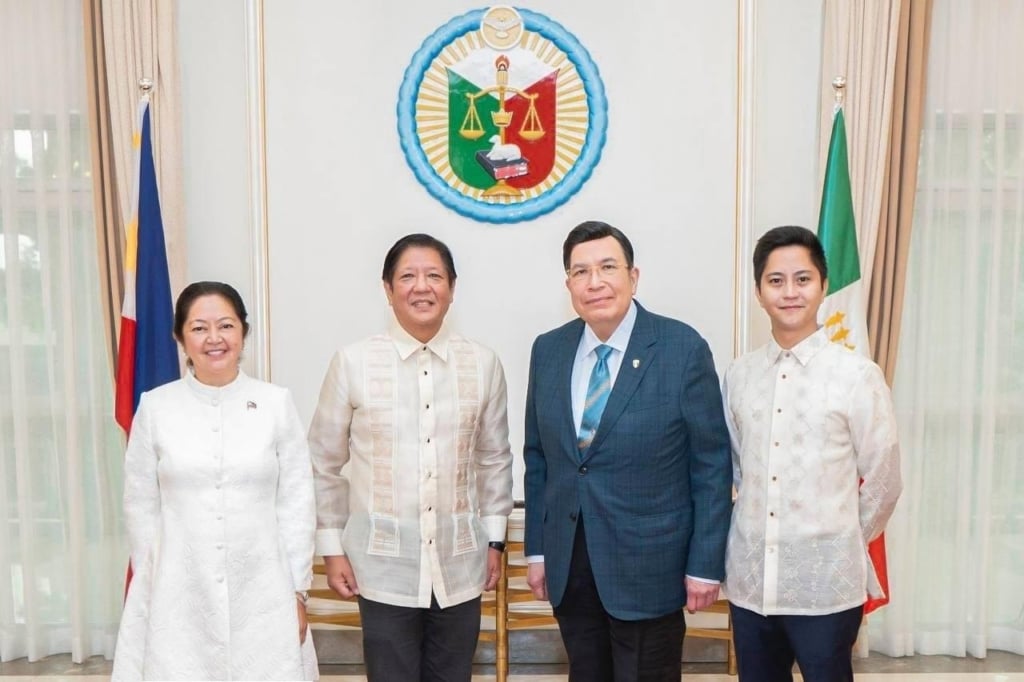
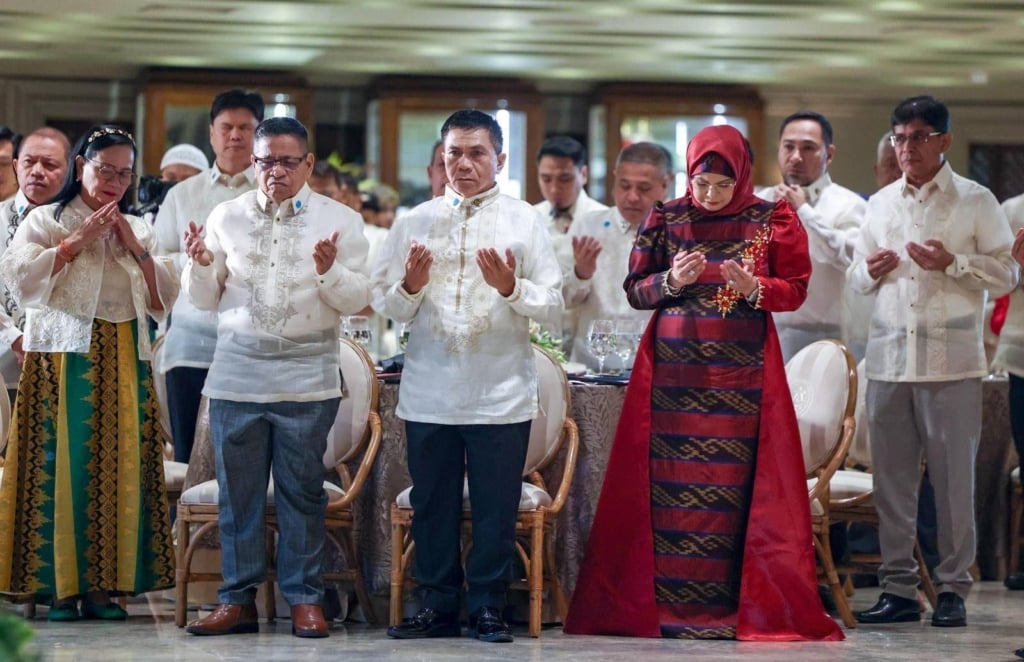
Nonetheless, BBM holds a deep respect for all religions. Despite the differences that exist among various beliefs, he is committed to acknowledging the diversity of thought and spirituality, championing religious tolerance and harmony for the nation.
Service Record
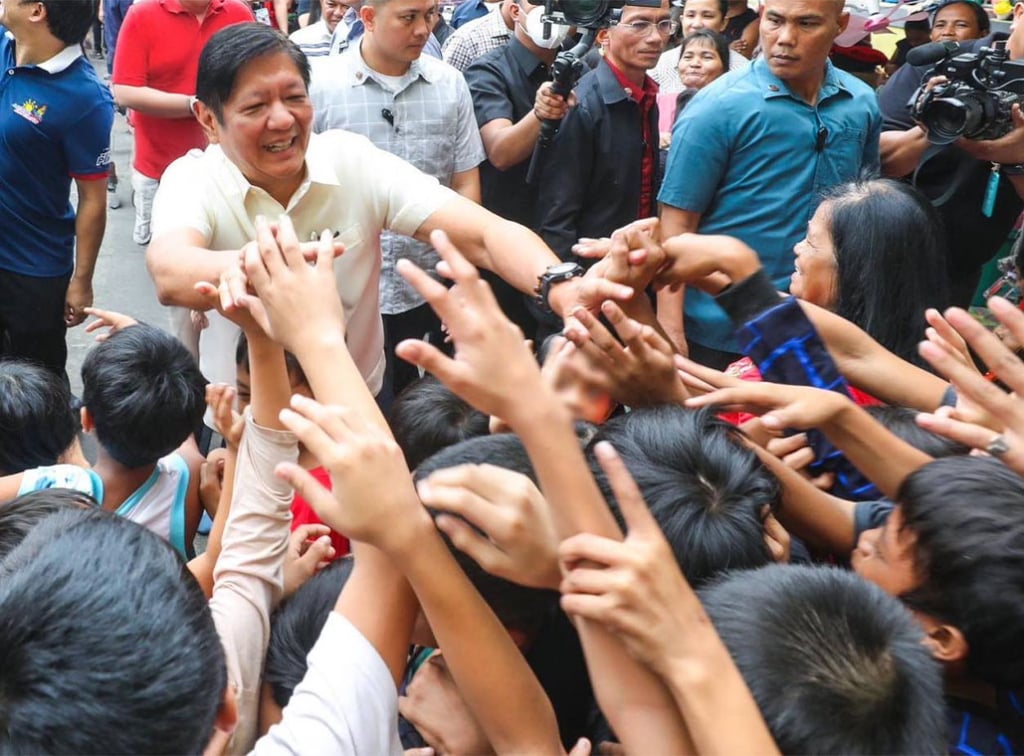
BBM has always believed that leadership means building a country that can stand on its own. It’s a belief shaped by experience and strengthened by the example of his father, who led with discipline, unity and a clear vision for the nation.
He doesn’t turn away from responsibility. He listens. He makes hard choices. And he leads with purpose, knowing that the decisions made today should outlast any term in office.
For BBM, public service is about laying down the groundwork for lasting progress—strong institutions, thriving communities, and a future where every Filipino has a fair chance to succeed. His focus has always been on building systems that work, creating jobs that last, and making sure progress reaches every corner of the country.
He knows that leadership is not measured by applause, but by what endures. And that’s what drives him to continue building a Republic that is proud, self-reliant, and ready for whatever lies ahead.
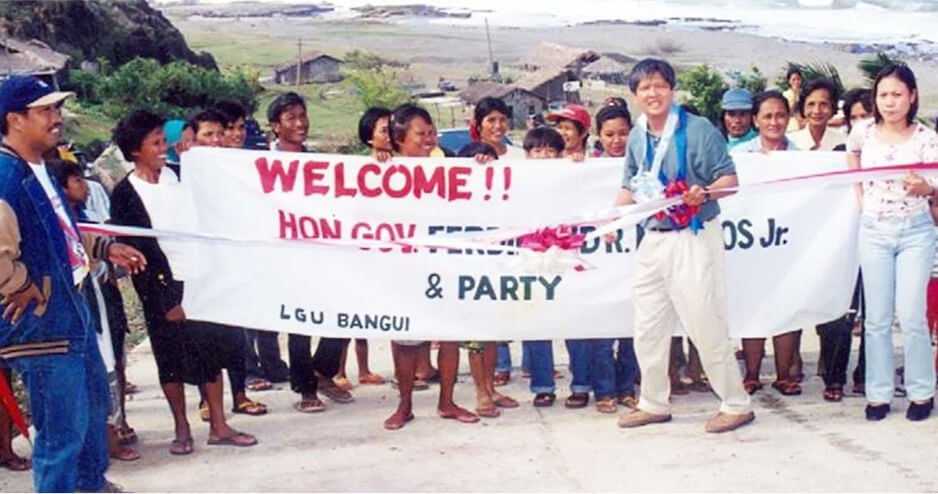
Governor (1983 to 1986; 1998 to 2007)
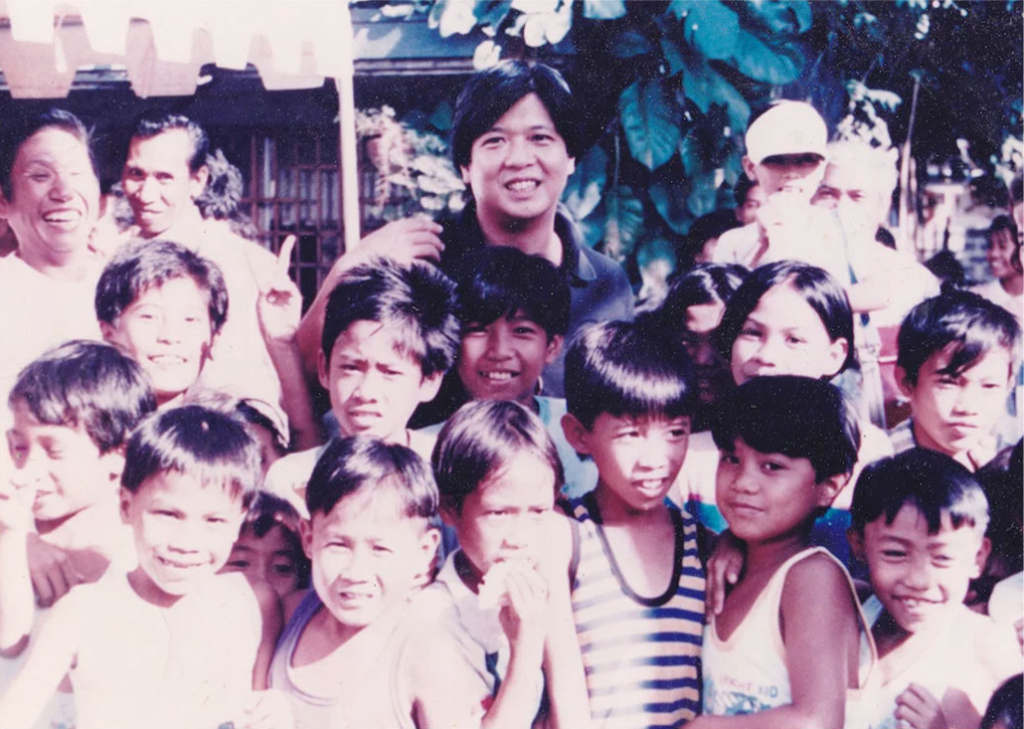
Bongbong Marcos grew up surrounded by the rhythms of public service. Watching his parents lead a country during his years in Malacañang, he learned early what it meant to carry the weight of responsibility. By the time he returned to Ilocos Norte, he knew exactly where he was needed and what kind of leader he wanted to be.
As governor, he focused on livelihoods, food security, and real progress in the countryside. He pushed for cooperatives so farmers could get better prices for their harvest. He built post-harvest facilities and made sure communities had what they needed to grow and thrive. He made long-term investments that would help people stand on their own.
He also believed that the province could lead in something bold. His push for renewable energy brought the Bangui Windmills to life—the first in Southeast Asia. At the time, it was a risk. Today, it stands as a symbol of how far Ilocos Norte has come and how much further it can go.
Those years in Ilocos were about putting things in place, getting things done and making sure people felt the difference. For BBM, public service has always meant leaving something better than how you found it.
Congressman (1992 to 1995; 2007 to 2010)
When BBM first entered Congress, he didn’t set out to make speeches that echoed through the halls. He came to get things done for his district, and for the people who had shaped his earliest years.
Ilocos Norte was never far from his mind. He pushed for a special economic freeport zone, knowing that meaningful development begins with opportunity. He wanted investors to look north—not just at the usual places—but to the communities often left out of the national conversation.
Education, too, was something he took seriously. Not just the standard curriculum, but the deeper work of building national pride. He lobbied for lessons on nationalism to be taught in schools, and fought for the government to do more for indigenous learning systems, both in classrooms and outside them.
Even then, he was thinking ahead. Long before renewable energy became a global buzzword, he was already advocating for it. He filed a bill to create a National Institute for Clean Energy Research to give Filipino scientists a place to do real work, on Filipino soil, with Filipino solutions.
Those years in Congress were about planting seeds, quiet work, steady progress and a belief that real change begins when you choose to serve the people closest to you—and never stop.
Senator (2010 to 2016)
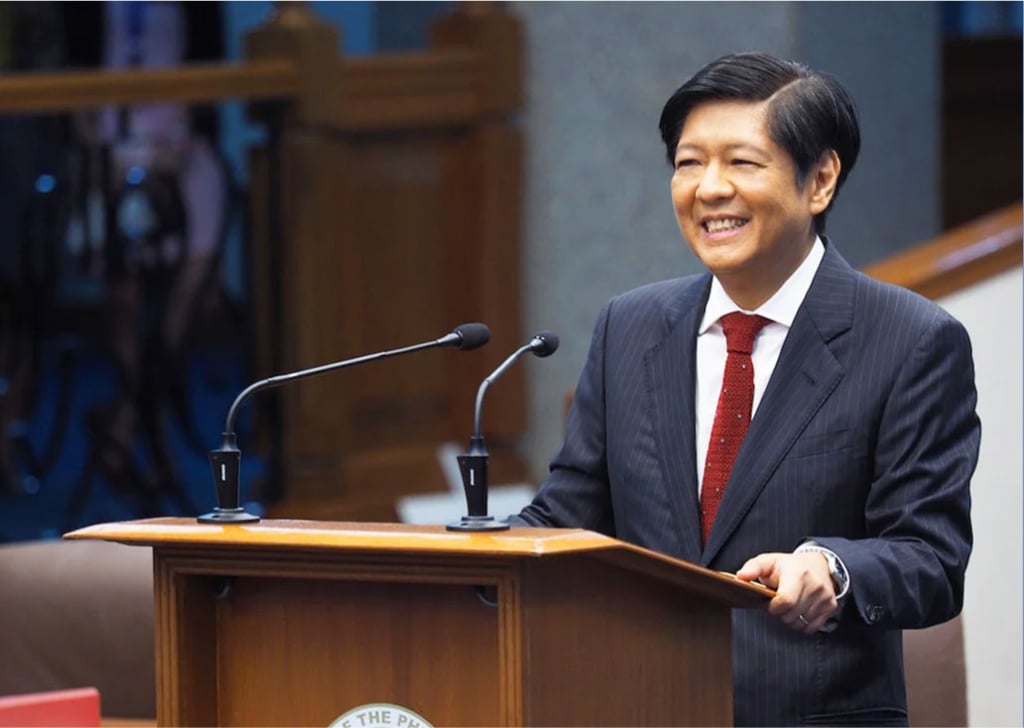
By the time BBM stepped into the Senate, he was no stranger to governance. He had walked the halls of local government, listened to farmers, stood at the frontlines of province-building. But now, the work was national.
Early in his term, he turned his attention to those who often served the country from far away—Overseas Filipino Workers. He authored a resolution urging the government to take responsibility for their welfare, especially those facing uncertainty abroad. It was a reminder that leadership doesn’t stop at the country’s borders. It reaches every Filipino, wherever they are.
As Chairman of the Senate Committee on Local Government, he spoke with the quiet authority of someone who had governed before. He knew what it meant to run a town, to manage a province with limited resources, and to be expected to do more with less. He used his time in the Senate to push for deeper reforms that gave provinces and towns the tools to govern better, and the trust to lead their own communities.
He never stopped thinking about the future. Renewable energy, cleaner systems, smarter infrastructure—these weren’t just policy points. They were the backbone of the country he imagined: self-reliant, steady and prepared.
The six years he spent in the Senate were deliberate. Every decision came from the same place—a belief that the work should outlive the term, and that quiet reforms often make the loudest impact in the long run.

2016 Vice-Presidential Campaign
2022 Presidential Campaign
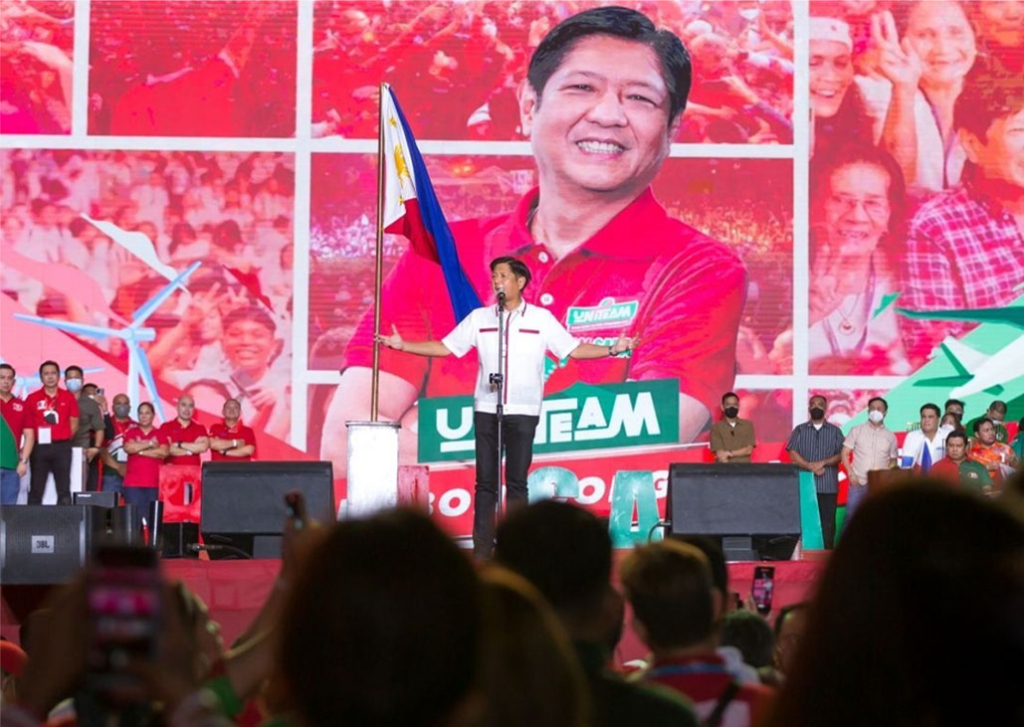
Undeterred by his defeat in 2016, and still deeply committed to his vision of a united Philippines, BBM returned to public life with a quiet resolve. He had come close—but falling short only deepened his sense of duty. Over the next six years, he listened more, traveled farther, and prepared not for a comeback, but for a campaign that would ask Filipinos to dream together again.
In 2022, he ran for President with a message that cut through the noise—unity. Not as a slogan, but as a call to rebuild what division had broken: trust, community and faith in the future. He invited Filipinos to co-create a government that listened, collaborated and moved with purpose. His words were steady, his tone consistent, and the movement that formed around him grew—not because it was loud, but because it was true.
On May 9, over 50 million Filipinos turned out to vote. When the dust settled, more than 31 million had placed their trust in him—the largest mandate ever given to a Philippine President. It was a powerful message, not just of support, but of hope.
Now, as President, Bongbong Marcos carries that hope with him every day. His promise is not to do everything alone, but to guide the nation toward a better, more certain future—and to do it together.
A New Era
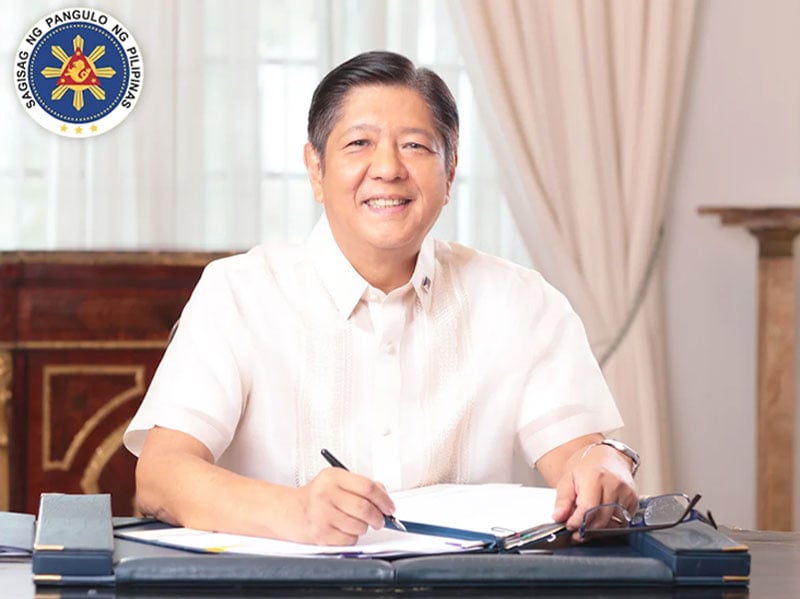
President BBM chose windmills to represent his campaign as a universal symbol of hope and resilience. It signals a new era for the Philippines’ willingness and readiness to address pressing problems, and to re-energize development. It is a token of Bongbong Marcos’s commitment to positive change and to giving new hope to all Filipinos.
Under his leadership, BBM has championed crucial reforms aimed at boosting the economy, improving infrastructure, and addressing pressing social issues. His administration has overseen the successful roll-out of the Build Better More program, advancing key infrastructure projects such as roads, airports, and railways. His focus on food security has brought critical support to farmers and fisherfolk, ensuring that their livelihoods are secured for future generations. Additionally, his work on digital transformation has made government services more accessible, helping bridge the digital divide for Filipinos across the nation.
BBM has also worked to create stronger international partnerships, positioning the Philippines as a key player in the global arena while safeguarding the nation’s sovereignty. His efforts in improving the business climate, attracting investments, and generating employment opportunities have laid the foundation for economic growth that benefits all Filipinos.